
Wong Lo Kat Vs. Jia Duo Bao - The Chinese Cooling Herbal Tea


If underrated canned and packaged food were to pick a country to represent themselves, China would be it. Many fear Chinese food as highly chemical-induced and processed, when today this isn't the case anymore. Similar to Tianfu Cola, Wong Lo Kat is a great example. It's an ancient, delicious medicinal beverage that comes in cans and bottles, and a great substitute for sodas and other sweet drinks.
This article summarises all about the "cooling" Wong Lo Kat and Jia Duo Bao, and its identity crisis. The article also includes Wong Lo Kat alternatives and the ingredients commonly used in Chinese herbal beverages.
What is Wong Lo Kat and Jia Duo Bao Made of?
Wong Lo Kat drink, also known as Wanglaoji herbal tea, is made of Water, Sugar, Chinese Mesona (Grass Jelly), White Frangipani, Microcos, Chrysanthemum, Japanese Honeysuckle, Heal All, and Chinese Licorice. It tastes predominantly of rock sugar and the subtle fragrance of Chrysanthemum tea. Jia Duo Bao is also made of the exact same ingredients and tastes almost the same.
Is Wong Lo Kat good for you?
Yes, in moderate. Wong Lo Kat is known for its 'cooling' effect on the body, which is common in many Chinese medicines. If you've been eating a lot of spicy, oily and meat-rich food, consuming Wong Lo Kat will help balance the heat. Though there is no scientific proof of its benefits, studies do suggest it has good amounts of antioxidants.
History of Wong Lo Kat
The special healing brew was founded by Dr Wong Chat Bong (a.k.a Wong Lo Kat, the man by the very name) in 1853 in Guangzhou, China. The mixture gathered so much acclaim that he was named an Imperial Doctor by the Qing Emperor, Man Chung.
When the first teahouse opened, people flocked there instead of overcrowded hospitals because of the tense atmosphere during the Japanese occupation.
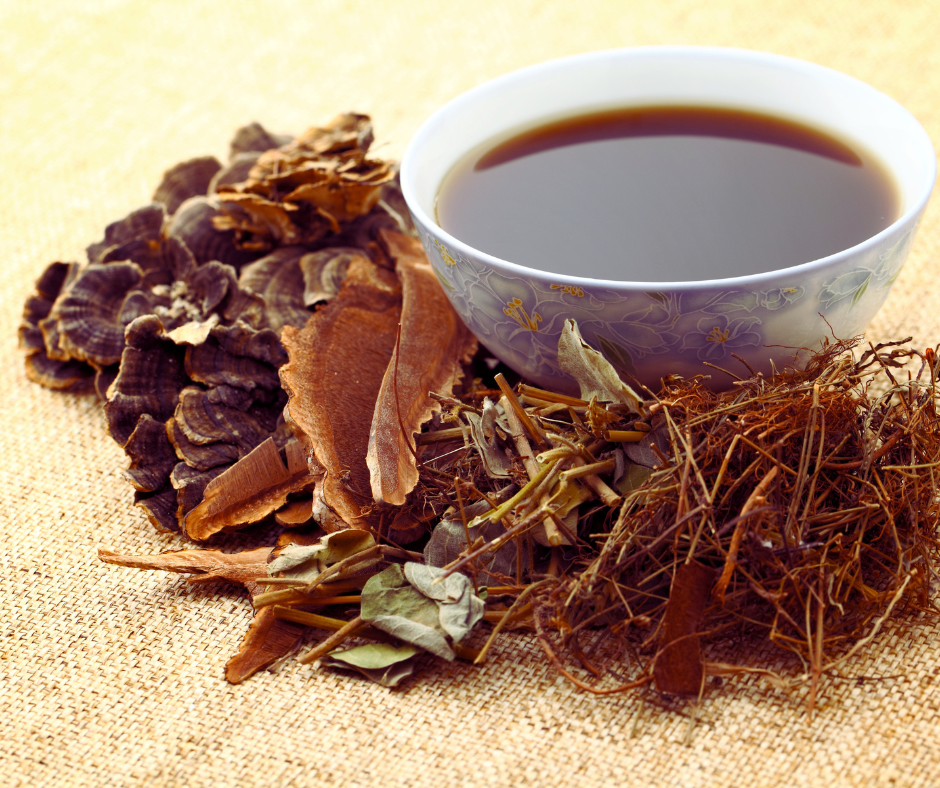
Over the decades, Wong Lo Kat managed to stay relevant in the houses and Chinese tea shops and later became a commercial business with products now reaching global households.
Is Wong Lo Kat Halal and Vegan?
Yes, the authentic Wong Lo Kat Herbal Tea is Halal and Vegan because it does not contain any meat, milk, alcohol, or other animal products. There are different brands now, so we recommend reading the packaging before you buy.
Does Wong Lo Kat Have Caffeine?
The original Wong Lo Kat is caffeine-free, but there are multiple brands and versions of the herbal tea out in the market. So make sure you check the packaging for ingredients before buying.
Wong Lo Kat Vs. Jia Duo Bao: The Legal Controversy for Identity
This cooling herbal tea had a heated past a decade ago, when legal problems arose regarding the brand name, colour and identity.
To summarise it all, Jia Duo Bao operated under the same license from the pharmaceutical company (Guangzhou Pharmaceutical Holdings), which owned Wanglaoji herbal tea. When the lease ended, Jia Duo Bao lost the trademark it had, as Wong Lo Kat was the original brand name under the pharmaceutical company.
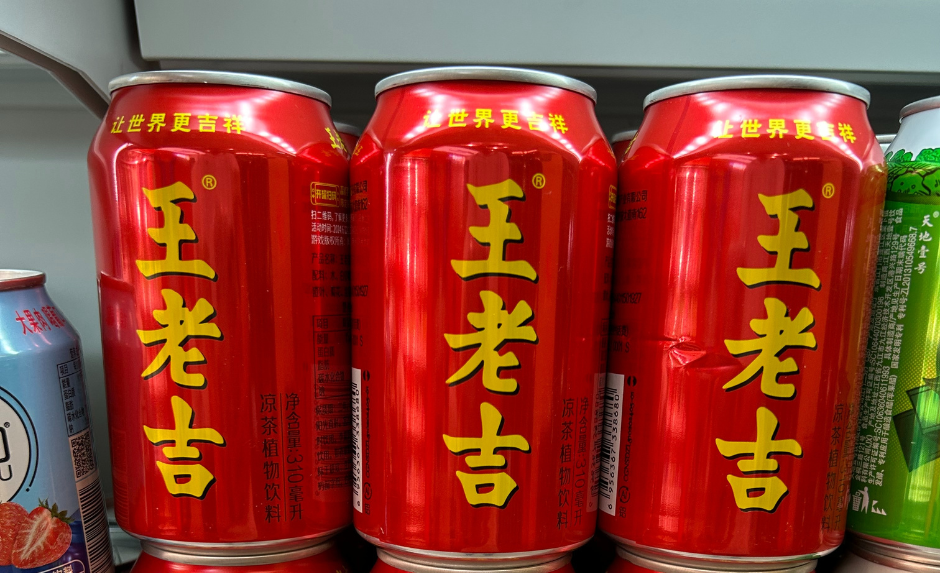
However, in 2017, both companies were legally allowed to use the red can labelling. Today, Jia Duo Bao is a competitor of Wong Lo Kat and has a separate fan base. If you walk into a Chinese supermarket, you'd come across both these brands.
So to answer the question, Jia Duo Bao and Wong Lo Kat are not the same brand, but the contents are pretty much the same.
Where to buy Wanglaoji Herbal Tea?
Wanglaoji herbal drink is more famous than you think it is, especially if your city has an Asian community or any Asian market. I found Wong Lo Kat at my Asian Market, but it runs out of stock quite often.
Compared to Jia Duo Bao, Wong Lo Kat is widely available in markets. You can buy a can for about 5$. If you don't have a neighbourhood Asian Market, you can order online or through Amazon (at a slightly higher price, though).
How to drink Wong Lo Kat Herbal Drink?
Best served chilled. I asked fellow Chinese netizens on Xiaohanshu, and they all said it's usually consumed after eating spicy food or a heavy meal to counter the heat. Plus, it contains sugar, so Wong Lo Kat is a preferred alternative to soda. You'll find them commonly in coolers.
In China, you'll also find Wong Lo Kat as herbal tea bags. These are consumed warm. You prepare it like you'd make tea. Some mix in honey as a substitute for sugar.
Types of Herbs Drinks in China: Wong Lo Kat Alternatives
If you're on a journey looking for various herbal teas in China, here's where to start. Wong Lo Kat may not be everyone's cup of tea, quite literally. But we found a few other herbal drinks that Chinese locals consume.
This list doesn't include tea favourites like Nongfu Oriental Tea and Ceylon Tea.
However, do note that they are consumed for different concerns.
Nin Jiom (Pei Pa Koa)

You would've seen this in Chinese supermarkets, on the pharmaceutical aisle. It's a famous herbal cough syrup in China. It's made of Loquat, Honey, Pomelo Peel and other natural ingredients - a natural version of Delsym. It's usually taken directly, but you can also dilute it with warm water for better comfort.
Ge Xian Weng

Ge Xian Weng tea series comes in packaged varieties for different health concerns. Some of them are Mulberry, Honeysuckle, Cooling herbal tea and a 24-hour herbal tea and more. And yes, it's from the Gexian Village region, and the Ge Xian Weng tea series brand is Halal certified as per Guilin Gexianweng Pharmaceutical Co., Ltd official website on Baidu.
Commonly Used Ingredients in Chinese Herbal Drinks
These are some of the commonly used ingredients in Chinese Herbal Drinks and Teas. These can be brewed on their own and consumed as a tea.
Osmanthus
Dried golden Osmanthus flowers are stunning to see in your food. Especially when you eat Osmanthus Cake or Jelly. The flavour is fragrant, and Osmanthus tea is a great remedy for colds. I often make milk jellies with Osmanthu honey, and it's a healthy dessert to eat during summer.
Longan
Longan is consumed as a cool drink across Southeast Asia. Due to its warming properties, consuming too much may cause health issues, and it's advised to avoid eating its peels. Generally, the Chinese consume longan as a warm soup during the chilly New Year season. It's rich in Vitamin C and Potassium.
Ginseng
Ginseng is a prized ingredient in Chinese households and medical books. It's known to improve immunity, cognitive functions and overall energy and stamina. In China, dried Ginseng is often included in medicinal soups and teas, and is known for 'Yang' energy, which stimulates heat. Today, however, American Ginseng has also entered the market, but it's the polar opposite in terms of its effects.
Honeysuckle
Honeysuckle flowers are a famous ornamental plant and also known for their health benefits in indigestion, infections, diabetes, and the common cold, but they're often combined with other ingredients like Chrysanthemum to enhance their effects. If you're new to floral teas, it's best to avoid honeysuckle as too much of it can cause side effects like vomiting and lethargy.
Chrysanthemum
An ancient floral tea, also known as the Emperor Flower, Chrysanthemum has been in medical books for over 3000 years. Dried flowers are golden like Osmanthus, and consumed as a tea. If you suffer from weight gain and high blood sugar imbalance, Chrysanthemum is believed to be a great remedy, as well as an anti-inflammatory herbal tea.
The beauty of Chrysanthemum tea is that when you put the dried flower in boiling water, it blooms again.

Goji Berry (Wolfberries)
Goji berries are known for being rich in vitamins A and C, fibre and antioxidants. Generally, the Chinese mix Goji berries with Ginger to boil a cold-remedy concoction. And if you suffer from severe period pains, boiling and consuming Goji berries, ginger, Chinese dates and tremella helps ease the pain.
Now, if you look at the ingredient list of Wong Lo Kat, it contains at least 2 of the above famous Chinese herbal ingredients.
Conclusion
To put it all into one understanding, both Wong Lo Kat and Jia Duo Bao are the same herbal drink, just different brands. You'd barely feel the difference in taste, and the effects are the same as well. It's best consumed chilled, and a healthier substitute for boba tea.


Comments