
Chinese New Year Travel Tips - Where To Go and Where To Avoid (Asia Guide)

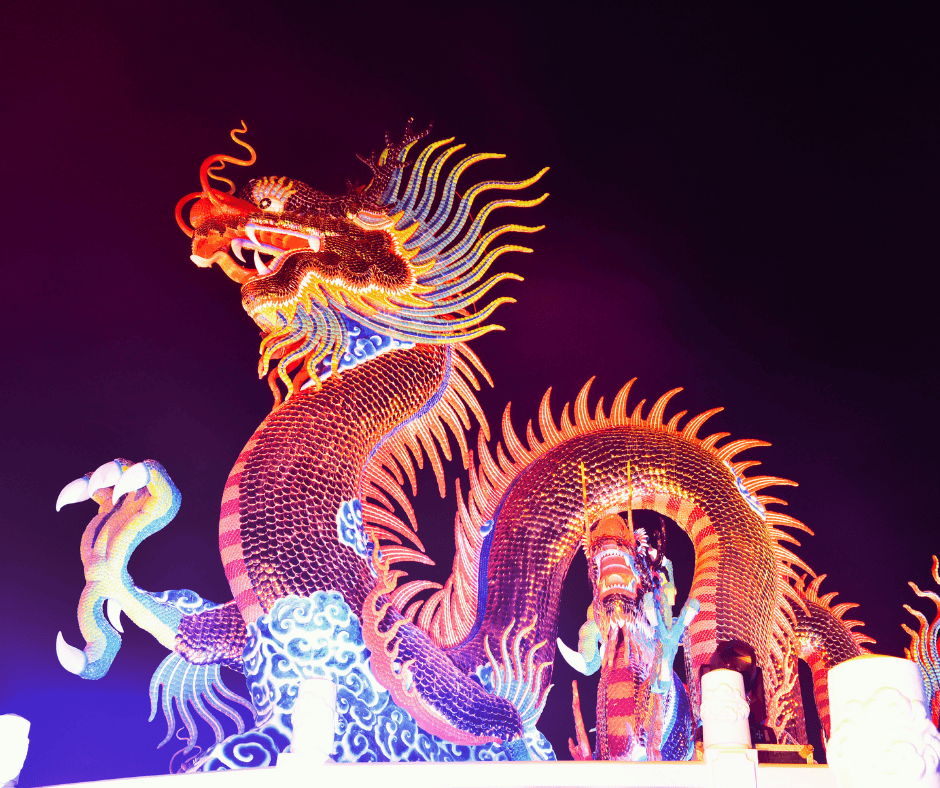
With half the Western population experiencing a very Chinese time in their life, it's normal for most travellers to pack their bags and head on a special adventure to start off the year. Now that the Chinese New Year is just around the corner, it naturally feels even more intriguing. But travelling in China can already feel overwhelming, so what is it really like during the New Year?
In this guide, I’ll walk you through what typically happens across the country during the festival, where travellers should go, and what’s best to avoid.
Can you travel during the Chinese New Year?
Yes. Many question whether you can travel during China's biggest holiday, and the answer is you can. BUT it won't be easy. Yes, it's cheap to travel during this time, but train tickets will be sold at least a week in advance. All government offices will be closed for 7 days. So you really need to be UP in your planning game.
Top 5 Chinese New Year Travel Tips
This is the biggest annual migration on Earth (honestly), when hundreds of millions of people head home to celebrate with family. Cities transform overnight, transport systems get stretched, and routines change completely. So you need to travel smart.
Here are the most important tips to know before planning a Chinese New Year trip.

Plan your travel itinerary at least 2 weeks ahead
If there’s one non-negotiable rule for Chinese New Year travel, this is it. Flights, hotels, and attractions sell out fast, especially in the two weeks leading up to New Year’s Eve. Prices also surge during this period. Booking early isn’t just about saving money; it’s about having options.
Lock in:
Flights and accommodation at least 14 days in advance
Major attractions that require timed entry
Backup plans in case things close unexpectedly
Spontaneous travel works most of the year in China. During Chinese New Year, it’s a gamble you don’t want to take.
Avoid train travel
China’s train system is usually one of the best in the world. It's fast, efficient, and affordable. Chinese New Year is the one time that reputation gets truly tested. This period is known as Chunyun, the Spring Festival travel rush. Trains are packed, tickets sell out minutes after release, and stations become overwhelming even for locals. Chinese train stations are bigger than certain airports in the world. So it's understandable.

If you can:
Fly instead of taking long-distance trains
Stick to short, regional trips
Avoid travelling on New Year’s Eve and the first 3 days
If trains are unavoidable, book first-class or business class seats where possible for sanity.
Don't rush your trip
Chinese New Year is not the time to “see everything.” Many shops, museums, and even restaurants close, especially outside major tourist zones. Transport delays are common, and cities slow down in unexpected ways.
Instead of hopping between multiple cities:
Pick one or two destinations
Stay longer in each place
Plan downtime into your schedule
This is a time to experience atmosphere. Walking quiet streets, watching families celebrate, and stumbling upon local festivities can be far more memorable than rushing through landmarks.
Pack warm clothes
Chinese New Year falls between late January and mid-February, with winter across most of the country. Even cities you might expect to be mild can feel bitterly cold due to humidity and lack of central heating in older buildings.
Pack:
Thermal layers
A proper winter jacket
Gloves and scarves
Comfortable, insulated walking shoes
While you can buy most of them during a normal visit to China, we wouldn't recommend taking the risk during a New Year visit. Plus, Northern China can dip well below freezing, while southern cities feel damp and chilly rather than snowy. Either way, being underdressed can ruin long sightseeing days.
Respect the traditions
Chinese New Year is deeply personal for many families. As a traveller, being mindful goes a long way. Some processions may take a long time and disrupt your itinerary, but think of it as part of the experience that other travellers may not get.
A few simple ways to show respect:
Avoid criticising traditions or customs
Don’t mock rituals you don’t understand
Accept that some places will prioritise family over tourists
If you’re invited into someone’s home during the festival, consider it a genuine honour. Bring a small gift, avoid wrapping it in white or black, and follow the host’s lead.
Best Chinese Cities for New Year
Travel on Chinese New Year can be hectic, but it's plenty rewarding. You'd be going there during winter, and the experiences are quite unique.
Harbin
If you don’t mind the cold, Harbin during the Chinese New Year is magical. Ice sculptures, winter festivals, and snowy streets make it feel straight out of a fairytale.

Xi'an
With its ancient walls and lantern-filled streets, Xi’an offers a more traditional, cultural New Year experience without overwhelming crowds.
Chengdu
Food lovers will feel right at home here. Chengdu is a famous city internationally. Many restaurants remain open, and the slower pace makes it ideal for relaxed travel.
Lijiang
A quieter option with stunning old-town charm. It’s festive without being chaotic.
Guilin
Perfect if you want scenic landscapes, river views, and fewer crowds during the holiday period.

During these 14 days, Chinese people also travel to these destinations, which sometimes may feel overwhelming. But the experiences are actually worth it, so don't skip them.
Cities to Avoid During the Chinese New Year
One key thing to remember here is that local tourism makes up about 90% of all tourism in China. So 9 in 10 people you meet on your China trip are Chinese visiting from a different city. With almost all of them travelling back home, major cities tend to go lonely.
Beijing
Transport congestion, closed attractions, and extreme cold make this a tough choice unless you know the city well.
Shanghai
Many locals leave the city, which sounds good, until you realise shops, restaurants, and services close with them. But it's still lively.
Guangzhou
A major transport hub during Chunyun, meaning packed stations and chaotic movement.
Shenzhen
Feels strangely empty yet logistically difficult, with limited services and transport bottlenecks.
Chongqing
Chongqing has one of the largest resident populations in China, making it the "Homecoming" city for the New Year. Known for massive crowds and limited accommodation availability during the festival.
Bonus: Don't do these things on Chinese New Year
When you travel on Chinese New Year, make sure you don't do these. Some are quite similar to taboos of the Dragon Boat Festival and Qingming Festival.
Don’t wear all black or white (mourning colours)
Don’t argue or lose your temper
Highly unlikely: Don’t sweep floors on New Year’s Day
Don’t give clocks or sharp objects as gifts
Don’t complain about food or traditions
You don’t have to follow every belief; just being respectful is enough.
Conclusion
Travelling during the Chinese New Year is about understanding the rhythm of the country during its most important celebration. With the right planning, realistic expectations, and a slower pace, Chinese New Year travel can be deeply rewarding. You’ll see a side of China that most tourists miss, one shaped by family, tradition, food, and quiet moments between fireworks.
Plan ahead, dress warmly, respect the culture, and let the experience unfold naturally. Sometimes, the best journeys happen when you stop rushing and start observing.


Comments