
Thailand Lantern Festival: Yi Peng or Loy Krathong - Guide

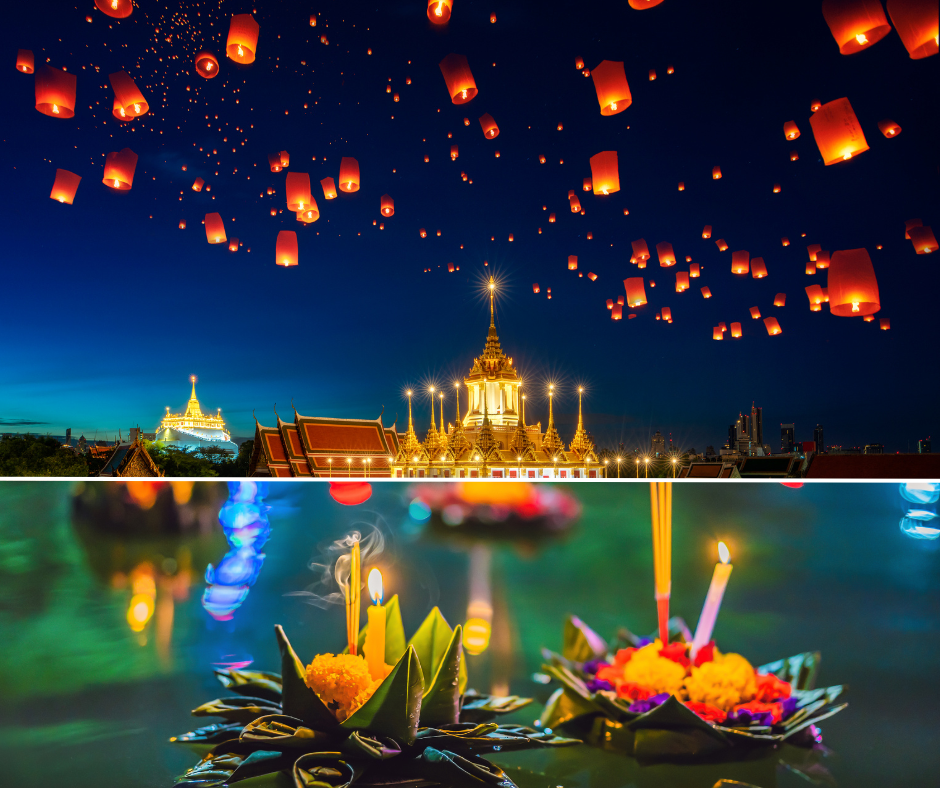
With the Chinese Lantern Festival just weeks away, I somehow ended up down a lantern-festival rabbit hole, and that’s when I discovered one of Southeast Asia’s most talked-about celebrations in Thailand. I was actually in Bangkok in November, but missed it by just a few days after the full moon. Ever since then, the Thailand Lantern Festival has stayed at the back of my mind, so here’s everything you need to know.
History of Thailand Lantern Festival
The Thailand lantern festival has roots that go back hundreds of years, deeply tied to Buddhist beliefs and seasonal cycles. Traditionally, lanterns were released to symbolically let go of misfortune, anger, or bad luck, a quiet wish for a lighter future.
Over time, this ritual evolved into two closely linked festivals: Yi Peng in northern Thailand and Loy Krathong across the country. While social media has turned lantern releases into a global spectacle, the heart of the festival remains deeply spiritual.
In the past, lanterns weren’t about photos or crowds. Families gathered, monks led prayers, and people released lanterns as an act of gratitude and renewal. That intention still exists, even if today, it’s wrapped in camera flashes and festival tickets.
When is the Lantern Festival in Thailand?
The two lantern festivals in Thailand happen simultaneously on the full moon of the second Thai Lanna calendar, which is generally in November. Both Yi Peng and Loy Krathong will happen on the 24th and 25th of November in 2026.
Is the Thailand Lantern Festival Worth It?
Yes, but be prepared for the crowds. Similarly to Songkran.
The Thailand lantern festival Chiang Mai experience can feel overwhelming if you arrive unprepared. The rush is real, prices surge, and not every lantern release looks like the viral photos you’ve seen online.
That said, when everything aligns, the weather, the timing, the atmosphere, it’s magical. Watching lanterns rise into the sky while monks chant nearby is something that stays with you long after the trip ends.
It’s worth it if you care about cultural experiences. It may not be worth it if you expect a quiet, private moment or dislike large festivals.
How to Celebrate the Thailand Lantern Festival
Celebrating the Thailand lantern festival depends a lot on where and how you choose to experience it.

Public celebrations: These are free, chaotic, and very local. You’ll see lanterns released in temples, open fields, and near rivers. It’s raw and authentic, but crowded. I would pick this if the weather is kinder. November evenings tend to be rainy. During my full vacation in Thailand, every evening was hijacked by downpours.
Organised lantern events: These are ticketed experiences often held outside the city. They’re controlled, visually stunning, and designed for international visitors. Expect perfect timing, mass releases, and clear viewing areas. These can be a bit touristy.
Local temple visits: This is the most meaningful way to experience the festival. You may not release a lantern, but you’ll witness prayers, offerings, and quiet rituals that most tourists miss. But if you've been to Sri Lanka and experienced Full Moon Poya evenings, I'd suggest you head to an actual lantern festival.
No matter how you celebrate, always follow local rules. Lanterns are regulated in some areas due to fire and flight safety.
What is Yi Peng
Yi Peng is the northern Thai festival most people associate with floating lanterns in the sky. It originated from the ancient Lanna Kingdom and is especially significant in Chiang Mai. Yi Peng is celebrated on the full moon of the second month of the Lanna lunar calendar, usually in November.
During Yi Peng:
Lanterns (khom loi) are released into the sky
Homes and temples are decorated with hanging lanterns
People make wishes and symbolic offerings
This is the festival behind those iconic Chiang Mai photos.
What is Loy Krathong
While Yi Peng fills the sky, Loy Krathong lights up the water.

Loy Krathong is celebrated all over Thailand, especially in Bangkok, and involves floating small decorated baskets (krathongs) on rivers, lakes, or canals. These baskets often hold candles, flowers, and incense.
The act symbolises:
Letting go of negativity
Thanking the water goddess
Making a wish for the year ahead
In Chiang Mai, Yi Peng and Loy Krathong often happen on the same dates, which is why the city becomes the heart of the Thailand lantern festival experience.
Which is better? Yi Peng or Loy Krathong?
I will say Yi Peng, but this really depends on what kind of experience you’re looking for. Yi Peng is better if you want dramatic visuals, sky lantern releases, and a once-in-a-lifetime moment.

Loy Krathong is better if you want a calmer, more reflective experience. And because Loy Krathong happens all over Thailand, wherever you are, you can experience this without having to make that extra plan of travelling. You can interact with locals much better.
If you’re in Chiang Mai, you don’t actually have to choose; you’ll experience both. That’s what makes the Thailand lantern festival in Chiang Mai so special.
Thailand Lantern Festival or Chinese Lantern Festival?
At first glance, the Thailand Lantern Festival and the Chinese Lantern Festival might look similar, but culturally, they’re very different.

The Chinese Lantern Festival marks the end of Chinese New Year celebrations, which typically occur in February. Lanterns are usually hung, displayed, or carried, not released into the sky. It’s festive, symbolic, and family-oriented. Dedicated Lantern Cities like Zigong in Sichuan Province, China, take it to a whole new level by parading giant lanterns of characters and animals across the road.
The Thailand lantern festival, especially Yi Peng, is more spiritual and symbolic. Lanterns are released to let go, reflect, and start fresh. It’s less about spectacle and more about intention, even if modern tourism has added a visual wow factor.
Both are beautiful. But they come from entirely different traditions and meanings.
Conclusion
The Thailand lantern festival is something you feel. Especially in Chiang Mai, where the air fills with light, prayers, and quiet hope, the experience goes far beyond photos.
Plan ahead. Respect the culture. Don’t rush the moment. Whether you’re releasing a lantern into the sky or a krathong into the water, the magic lies in slowing down and understanding why these rituals exist.


Comments